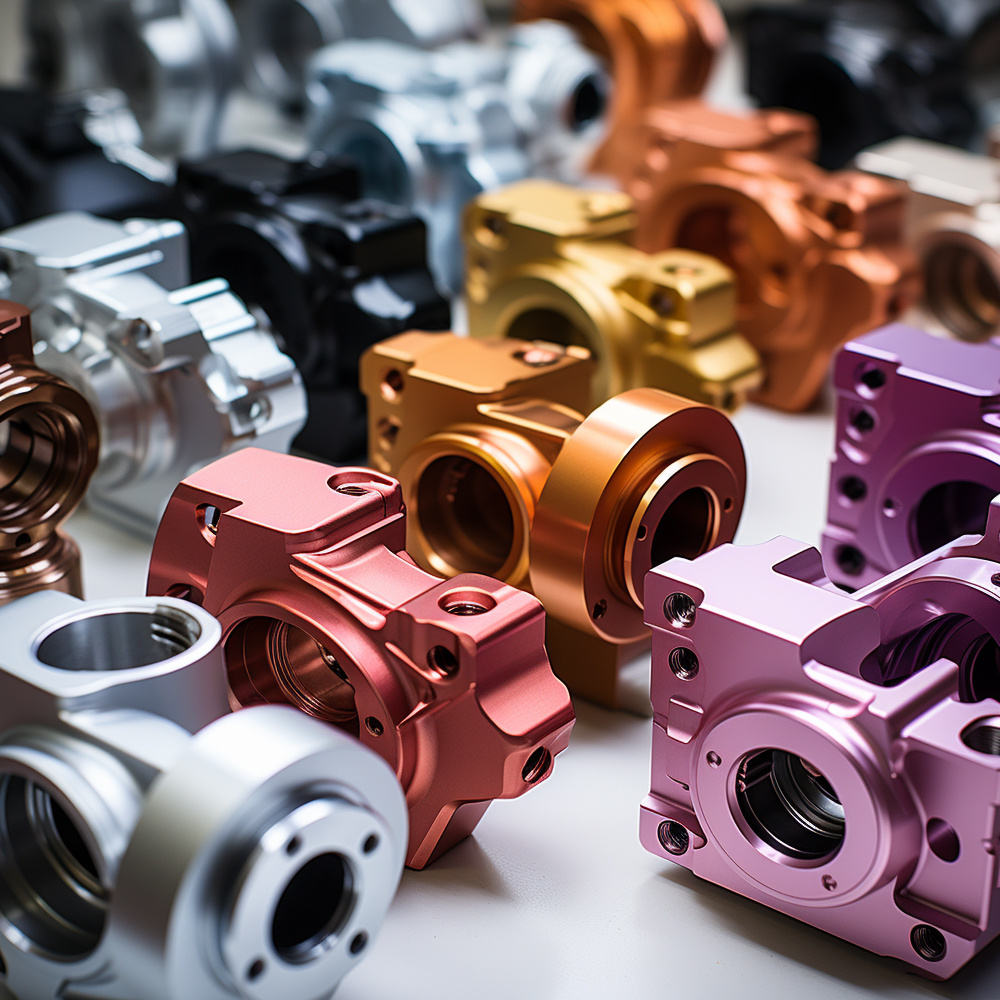
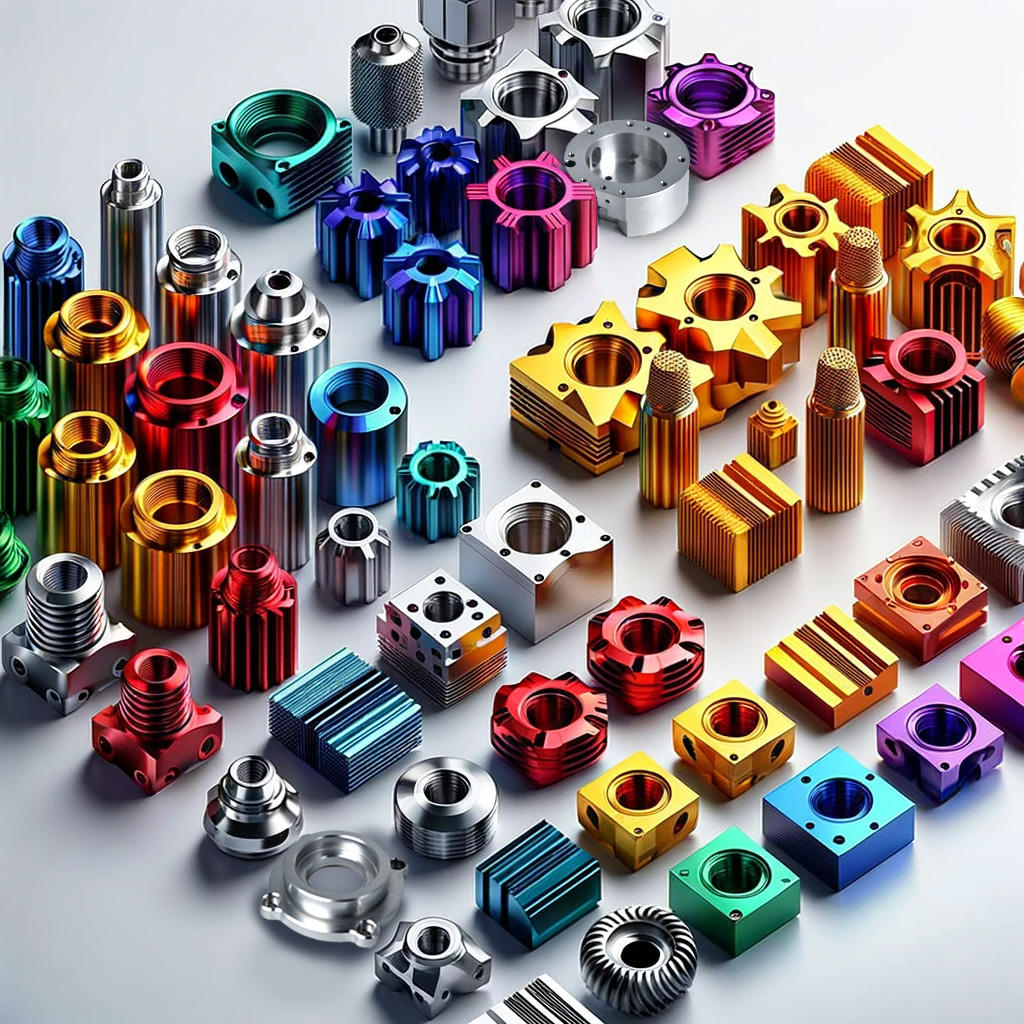
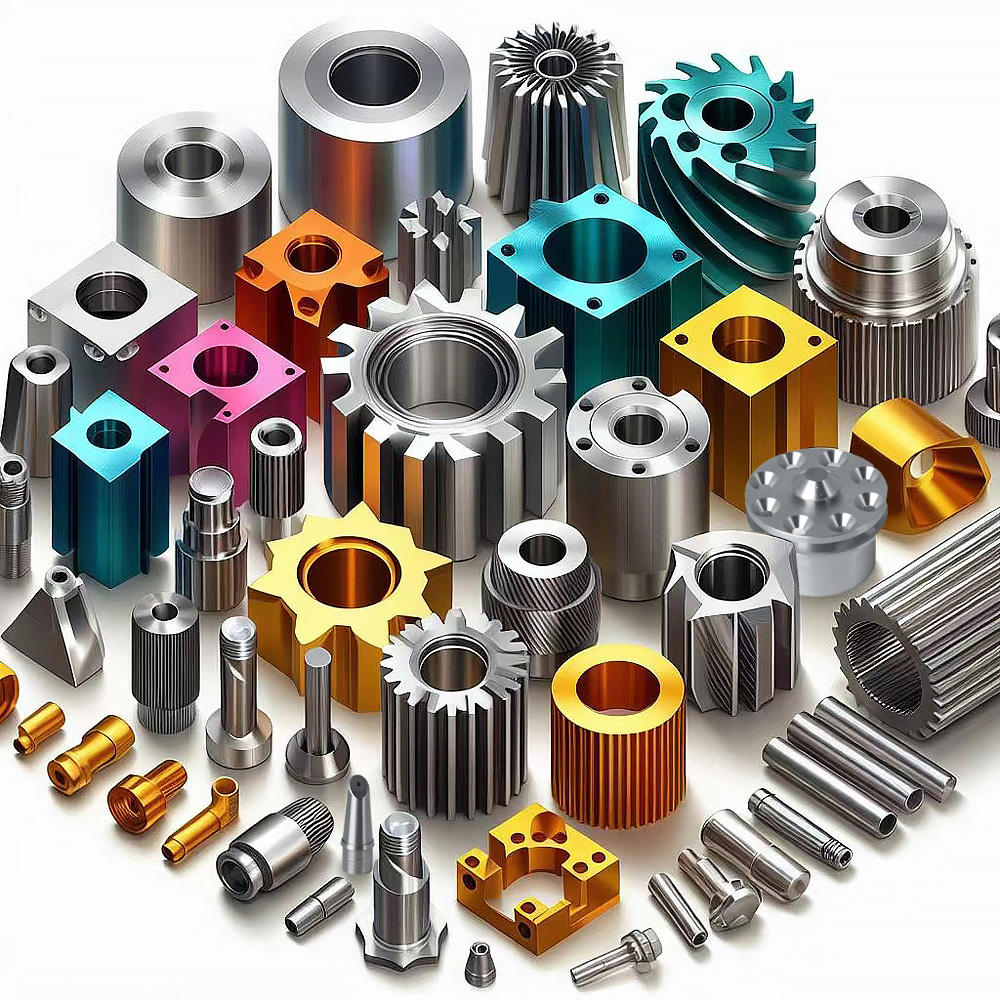
CNC (Computer Numerical Control) machining is a manufacturing process in which pre-programmed computer software dictates the movement of factory tools and machinery. The process can control a range of complex machinery, from grinders and lathes to mills and routers. Here’s a detailed breakdown of the working principle of CNC machining:
1. Designing the Part
– CAD Software: The first step in the CNC machining process involves designing the part in a CAD (Computer-Aided Design) software. This software allows the creation of a detailed 3D model of the part. – CAM Software: The CAD model is then imported into a CAM (Computer-Aided Manufacturing) software, where the machining process is planned. This includes selecting the tools, determining the tool paths, and setting the machining parameters such as feed rate and spindle speed.
2. Generating the G-Code
– The CAM software generates the G-code, a programming language that CNC machines understand. G-code contains instructions that control the movement of the machine’s tools, specifying their paths and operations.
3. Machine Setup
– Loading the G-Code: The G-code is uploaded to the CNC machine’s controller. – Fixture Setup: The workpiece is secured onto the machine’s worktable using fixtures or clamps. Proper alignment and positioning are critical. – Tool Setup: The necessary cutting tools are loaded into the machine’s spindle or tool holder. Tools must be correctly calibrated and positioned.
4. Machining Operation
– Initialization: The CNC machine is powered on and initialized. This may include homing procedures where the machine moves to a reference point. – Execution of G-Code: The machine controller reads and executes the G-code instructions. This involves moving the machine’s tools along the specified paths with high precision. – Cutting Process: The cutting tools interact with the workpiece to remove material according to the programmed paths. Different operations can be performed, such as drilling, milling, turning, and more.
5. Monitoring and Adjustment
– Real-time Monitoring: Operators monitor the machining process, checking for any issues such as tool wear or machine errors. Many modern CNC machines have sensors and feedback systems for real-time monitoring. – Adjustments: If necessary, adjustments can be made to the feed rate, spindle speed, or tool paths to ensure optimal performance and accuracy.
6. Finishing and Inspection
– Post-Processing: After machining, the workpiece might require additional finishing operations such as deburring, polishing, or heat treatment. – Quality Control: The finished part is inspected to ensure it meets the required specifications. This can involve measuring dimensions, surface finish, and other critical parameters using various inspection tools and techniques.
7. Completion
– Part Removal: Once the part passes inspection, it is removed from the machine. – Cleanup and Maintenance: The machine is cleaned, and maintenance is performed to prepare it for the next job.
Key Components of a CNC Machine – Controller: The computer that interprets the G-code and controls the machine’s movements. – Machine Bed: The base that supports the workpiece and absorbs vibrations. – Spindle: The rotating component that holds the cutting tool. – Axes: CNC machines typically have multiple axes (X, Y, Z, and sometimes more) that allow for movement in various directions. – Tool Changer: A mechanism that automatically switches between different tools during the machining process.
Conclusion
CNC machining offers high precision, repeatability, and efficiency in manufacturing complex parts. It is widely used in industries such as aerospace, automotive, electronics, and medical devices. The integration of CAD/CAM software, advanced control systems, and automated machinery makes CNC machining a cornerstone of modern manufacturing technology.